How Are Alcoholic Beverages Made By The Distillers?
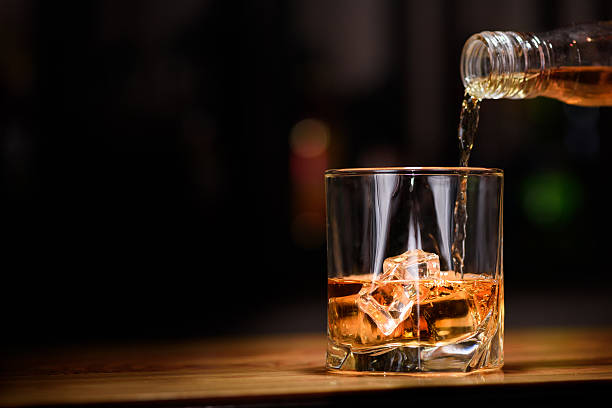
Alcoholic beverages are made in distilleries and the processes used are malting, milling, fermentation, distillation, ageing, blending and bottling. Depending on the type of alcoholic beverage that is to be made the required raw materials are used.
Alcoholic beverages can be made from grains, fruits and other sources of sugar. The grains used are rye, wheat, corn and barley and the fruit used are grapes, sugar beets, sugarcane and more. The process begins by procuring raw materials of high quality as this can affect the final taste of the alcoholic beverage.
Alcoholic beverages like whiskey, rum and brandy are made in distilleries by using the process of distillation. The business of the distillers is to produce alcoholic beverages through the distillation process.
Whiskey is produced from wheat or corn or rye grain or malted rye, rum is produced from sugarcane and brandy is produced by distilling grape juice, and vodka is made from fermented cereal grains.
Processes followed to make alcoholic beverages
The following processes are used to make alcohol in the distilleries:
Malting
In this process, the grains are submerged in water to increase the moisture content and then drained. The grains are allowed to germinate and this develops the malt enzymes which are required in the fermentation process. The grain is dried and converted to malt.
Milling
In this process, the grains/malted grains are ground and mixed with water to make a mash. This allows for better availability of sugar.
Fermentation
In this process, yeast is added to the mash and allowed to ferment. The process helps to break down the sugars into ethanol and carbon dioxide. The yeast added to the mash can affect the taste of the final product. The most commonly used yeast is Saccharomyces cerevisiae.
Distillation
In this process, the mixture is added to the still where the distillation process is used to separate water and ethanol. As the two have different boiling points the ethanol boils off first. The vapours are passed through a column to the condenser where they are condensed and the ethanol collected. This gives ethanol in its pure form.
Ageing
Once the ethanol is collected it is stored in wooden barrels. Here the alcohol reacts with the wood to produce aroma, colour and flavour. The alcohol is aged for a while. Whiskey is particularly aged in charred white oak barrels.
Blending
In this process, additional flavouring and colouring agents are added to get the required flavour. Sometimes caramel colouring is added.
Bottling
Once the alcoholic drink is ready it is packed in glass bottles of standard size and shape. Glass bottles are used as it preserves the quality and the taste. Bottling is done under scrutiny to avoid any contamination.
